
5 Innovative Ways to Recycle your Menstrual Cup
A menstrual cup can last for years, but eventually every reusable product reaches the end of its useful life. When that happens, the responsible next step depends on the condition of the cup and the recycling options available where you live.
One important clarification: silicone is not accepted in many ordinary curbside recycling programs. “Recycle your menstrual cup” often really means finding a specialist program or safely repurposing it for a non-body, non-food use.
When should you retire a menstrual cup?
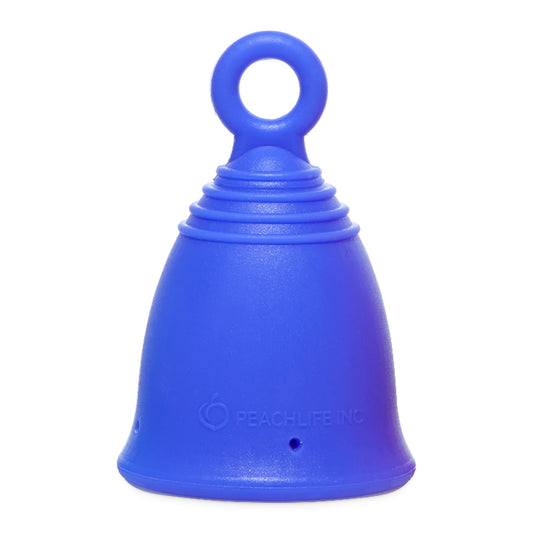
With appropriate care, a Peachcup may be reusable for up to 10 years, but condition matters more than age alone. Replace the cup sooner if you see:
- cracks or tears;
- damage around the rim, ventilation holes, base, or ring;
- significant changes in texture such as tackiness or unusual roughness;
- permanent deformation;
- other significant material deterioration.
Cosmetic discoloration alone does not automatically mean a cup is unusable. If you are unsure, contact Peachlife before deciding.
1. Look for a specialist silicone recycling program
Some specialist recyclers accept silicone products even when municipal curbside programs do not. Search for silicone recycling or hard-to-recycle programs in your region and confirm acceptance before sending or dropping off the cup.
Programs vary widely, so do not place silicone in a recycling bin simply because plastic is collected there.
2. Ask your local waste or recycling authority about hard-to-recycle drop-offs
Some cities and counties run periodic collection events or permanent drop-off centers for materials that do not belong in curbside bins. Contact the authority directly and ask whether they accept cured silicone consumer products.
If they do not, ask what disposal route they recommend. Local guidance is more reliable than a generic recycling symbol or internet list.
3. Check verified mail-in or zero-waste programs
Mail-in programs sometimes accept silicone as part of a broader hard-to-recycle category. Read the current accepted-material list carefully before paying for postage or a collection box.
Do not assume that a program accepting “rubber,” “plastics,” or “personal-care products” automatically accepts medical-grade silicone menstrual cups.
4. Repurpose it for a non-body, non-food household use
If specialist recycling is not available and the cup is clean and structurally intact enough to handle, you may choose to repurpose it rather than immediately discard it. Keep the new use completely separate from food, drinking, personal care, or insertion into the body.
Possible ideas include:
- a tiny holder for beads, clips, screws, or other craft pieces;
- a paint or pigment mixing cup for art projects;
- a small organizer for rubber bands or cable ties;
- a plant-propagation or seed-starting helper where appropriate;
- a washable container for non-consumable workshop odds and ends.
These are forms of reuse or repurposing, not material recycling.
5. Dispose of it responsibly when no recycling option exists
If no specialist program accepts silicone in your area and repurposing is not useful to you, disposal with your local household waste may be the realistic end-of-life option. Follow local rules rather than “wish-cycling” a material into a recycling stream that cannot process it.
Correct disposal is better than contaminating a recycling load with an item the facility does not accept.
Why reusability still matters
The environmental benefit of a reusable period product comes mainly from using the same item repeatedly, not from assuming it will be recyclable at the end of its life. One cup used for years can reduce the number of disposable pads or tampons a person purchases and throws away.
The exact environmental footprint depends on manufacturing, how long the cup is used, cleaning habits, the disposable products it replaces, and local waste systems.
Before you retire a stained cup
Do not throw a cup away only because it no longer looks brand new. Menstrual fluid can cause cosmetic staining. Inspect the silicone for actual damage and follow current Peachcup care instructions.
Our odor and stain care guide explains what changes are cosmetic and what deserves closer attention.
Need help deciding whether yours should be replaced?
Send us a message through website chat or email customerservice@peachlifeinc.com. We can help you evaluate the condition of your Peachcup before you retire it unnecessarily.