How to Get Rid of Menstrual Cup Odors, Stains, and Discoloration: A Complete Guide
Reusable menstrual cups can develop a little staining or an occasional odor with regular use. That is common, and it does not automatically mean the cup is dirty, damaged, or ready to be replaced. This guide explains what causes these changes, what you can try at home, and which signs deserve closer attention. It is written for reusable silicone menstrual cups generally, so always give priority to the care instructions that came with your specific cup.
Staining and discoloration are usually cosmetic
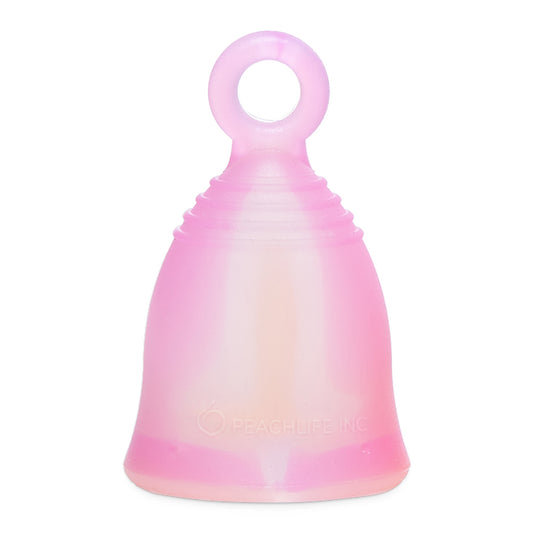
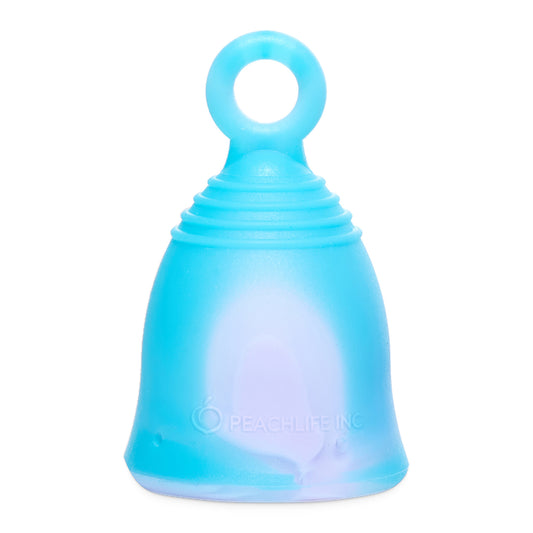
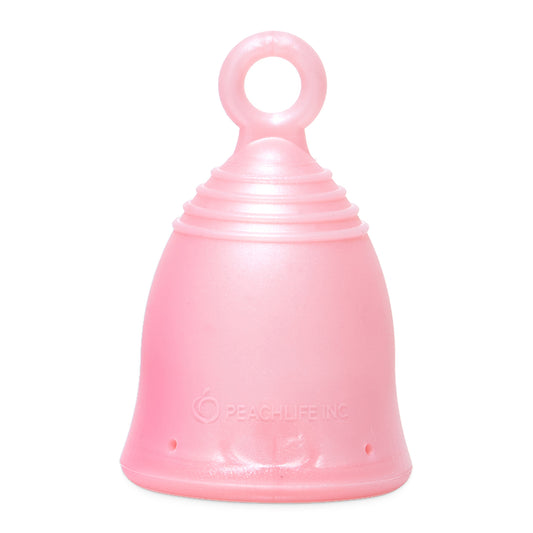
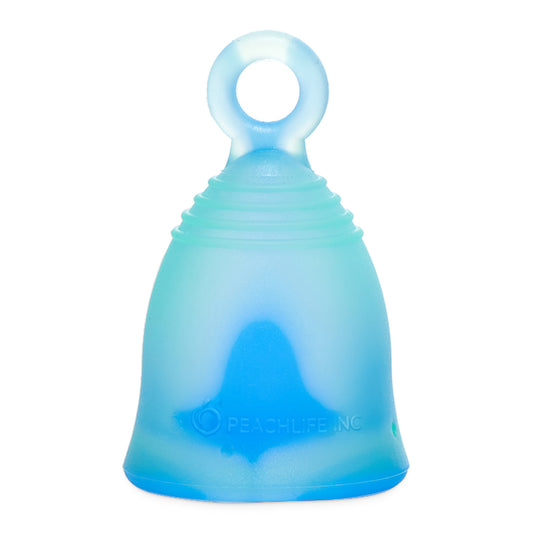
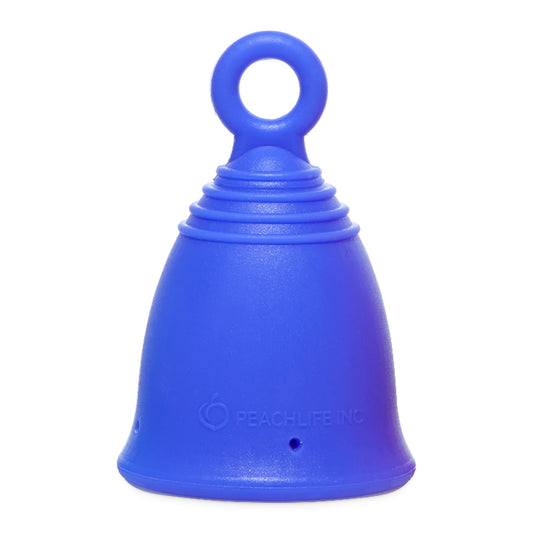
Menstrual fluid contains natural pigments that can gradually tint silicone, especially after repeated use. Clear or pale cups often show this more visibly than darker cups. A change in color by itself does not tell you whether the silicone is still in good condition.
Look at the cup under good light and check the material itself. A normal cosmetic stain should not come with cracking, tearing, tackiness, unusual roughness, permanent deformation, or a damaged rim or stem.
Why a menstrual cup can develop an odor
A temporary menstrual odor can come from the fluid collected in the cup, a longer wear period, residue around the rim or air holes, or storing the cup before it has dried completely. Odor does not automatically mean there is a problem with the cup.
Start with the simplest care routine before trying anything stronger: empty the cup according to your flow, rinse it promptly, wash it gently, rinse away all cleanser, and let it dry fully before storage.
A simple routine that can help reduce staining and odor
- Wash your hands before handling the cup.
- Rinse with cool or cold water first after emptying it. This can help remove menstrual fluid before it dries and may reduce visible staining.
- Wash with water and a mild, fragrance-free cleanser that is compatible with your cup. Clean around the rim, base, stem, and air holes.
- Rinse thoroughly so cleanser does not remain on the silicone.
- Let the cup dry completely before placing it in a breathable storage pouch. Avoid sealing a damp cup in an airtight container.
Between-cycle cleaning
Follow your cup manufacturer's instructions for between-cycle sterilization. Many reusable silicone cups are boiled for a short period, but the recommended time and handling details can vary. If boiling is recommended for your cup, keep the silicone from resting directly on the bottom or sides of the pot, and allow it to cool before handling.
Can sunlight help?
Some menstrual-cup manufacturers recommend allowing a cleaned, dry cup to sit in sunlight for a limited period to help reduce cosmetic staining or odor. This is an optional care method rather than a requirement, and it should only be used if it is compatible with your cup's instructions. Colored silicone may fade with prolonged exposure, so do not leave a cup in strong sun for an extended time.
Can I clean my menstrual cup with peroxide, bleach, or baking soda?
We do not recommend peroxide, bleach, or baking soda as routine cleaners for a menstrual cup. Hydrogen peroxide, often called peroxide, may contribute to material wear with repeated exposure. Bleach is a strong chemical that can damage silicone and leave irritating residue. Baking soda can be abrasive when rubbed onto the cup and may also leave residue. Use water and a mild, fragrance-free cleanser instead, unless your cup's manufacturer specifically approves another method.
Can I wash my menstrual cup in a dishwasher or washing machine?
No. Do not put a menstrual cup in a dishwasher or washing machine, even inside a laundry bag or mesh pouch. Dish and laundry detergents, high temperatures, strong spray or agitation, and residue from other items are not intended for a cup used internally. Clean the cup by hand with water and a mild, fragrance-free cleanser, then follow the cup manufacturer's instructions for between-cycle sterilization.
What to avoid
- Do not use bleach, disinfectant wipes, or strong household cleaners.
- Do not add fragrance, perfume, or essential oils to the cup.
- Do not scrub the silicone with abrasive powders, brushes, or rough sponges.
- Do not store the cup while it is damp.
- Do not assume a method recommended for one brand is appropriate for another.
How to tell the difference between a stain and material damage
| What you notice | What it may mean | What to do |
|---|---|---|
| Light or uneven color change with normal texture | Often cosmetic staining | Continue routine care and inspect the cup regularly |
| Temporary odor after wear | May be related to menstrual fluid, residue, or incomplete drying | Clean promptly and allow the cup to dry fully |
| Persistent odor after careful cleaning | Needs closer inspection | Contact the manufacturer if you are unsure about continued use |
| Cracks, tears, tackiness, unusual roughness, deformation, or a damaged stem | Possible material deterioration | Stop using the cup and replace it |
When should you replace a menstrual cup?
Replace the cup if it becomes damaged, develops a persistent texture change, no longer returns to its normal shape, or has another sign of material deterioration. A cosmetic stain alone is not a reliable reason to discard a cup, and a cup that looks clean can still need replacement if the silicone is damaged.
Reusable cups can last for years with appropriate care, but condition matters more than a fixed calendar. Follow the manufacturer's replacement guidance and ask for help if you cannot tell whether a change is cosmetic.
What if you notice an unusual odor while wearing the cup?
Remove and clean the cup according to its instructions. If you also have pain, fever, unusual discharge, irritation, or another concerning symptom, seek appropriate medical advice rather than assuming the cup is the only possible cause.
Need help?
If you are unsure whether a stain, odor, or texture change is normal, send the manufacturer a clear description or photo and ask for guidance before continuing to use the cup.