
The Environmental Impact of Disposable Period Products
Period care has an environmental footprint long before a pad, tampon, or menstrual cup reaches your bathroom. Raw materials have to be produced, products have to be manufactured and packaged, they have to travel through a supply chain, and eventually they have to be discarded. The biggest difference with a reusable menstrual cup is simple: one product can replace many single-use products over time.
That does not make a menstrual cup impact-free, and it does not mean everyone has to use one exclusively. It does mean that a well-cared-for cup can be a practical way to reduce repeated material use and menstrual-product waste if it works well for your body and routine.

Why disposable period products create ongoing waste
Pads and tampons are convenient and important options for many people, but they are designed for a single use. That means every period can involve another cycle of raw materials, manufacturing, packaging, transportation, and disposal.
Depending on the product, disposable period care can include combinations of absorbent fibers, plastics, adhesives, applicators, wrappers, backing films, and packaging. The environmental impact is therefore not only the item you throw away. It also includes the resources used to make and move each replacement product.
What lifecycle research says about menstrual cups
Environmental researchers often compare products using a life cycle assessment, or LCA. Instead of looking only at what goes into a trash bin, an LCA considers multiple stages such as materials, manufacturing, transport, use, and end-of-life disposal.
A peer-reviewed comparative life cycle assessment of pads, tampons, and menstrual cups found substantially lower modeled environmental impacts for the reusable menstrual cup across the categories studied. In that study's one-year model, the researchers assumed 240 pads or tampons versus one-tenth of a menstrual cup based on a ten-year cup life. Under those assumptions, the cup's modeled annual environmental impacts were less than 1.5% of those of the disposable products studied.
That number is useful, but it should not be treated as a universal promise. Environmental results change with assumptions: how long a cup is actually used, how it is manufactured, how it is cleaned, the energy source used to heat water, transportation, and what disposable products it replaces all matter.
The environmental advantage comes from reuse
The core benefit of a reusable menstrual cup is not that silicone has no footprint. It is that the same cup can be used again and again instead of requiring a newly manufactured product for every change.
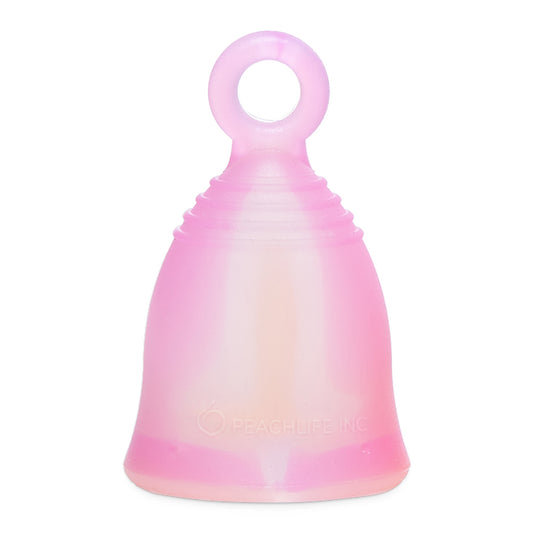
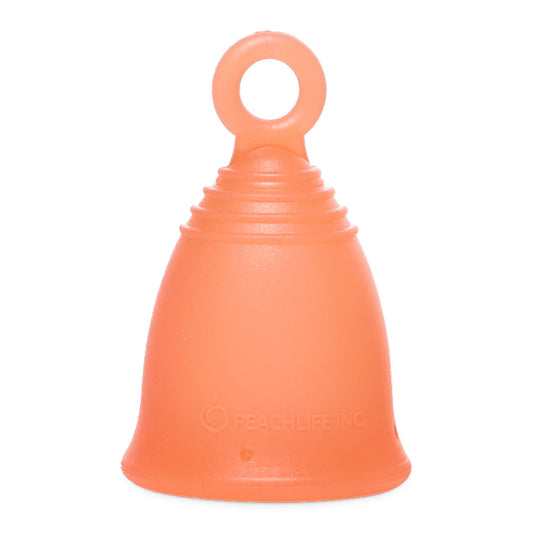
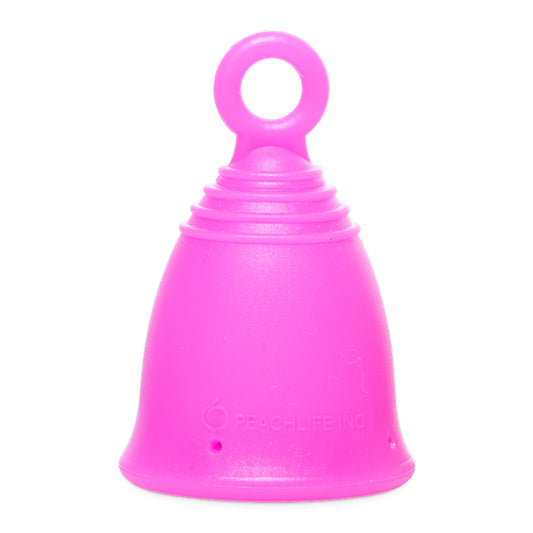
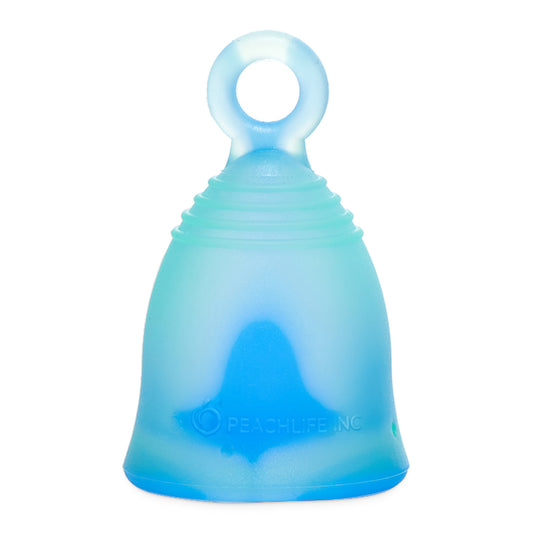
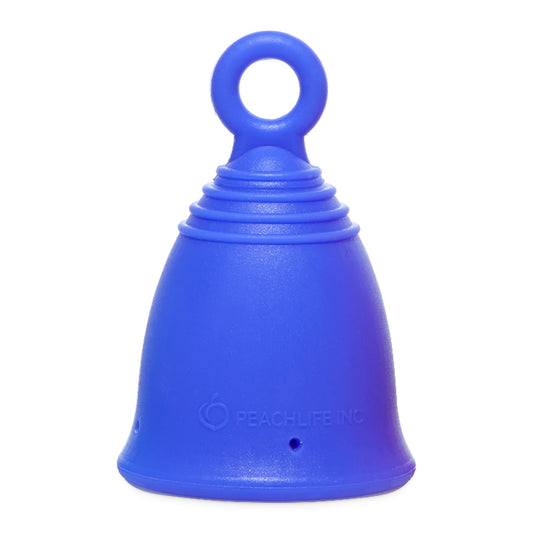
With appropriate care, a Peachcup may be reusable for up to 10 years. The longer a cup remains safe, functional, comfortable, and in good condition, the more opportunities there are to spread the impact of manufacturing that one cup over many cycles.
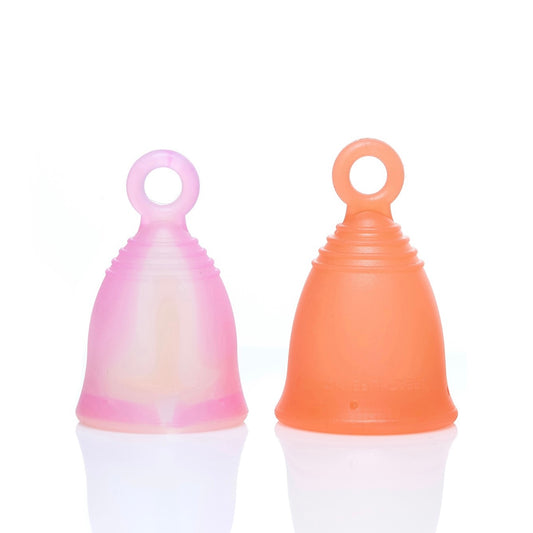
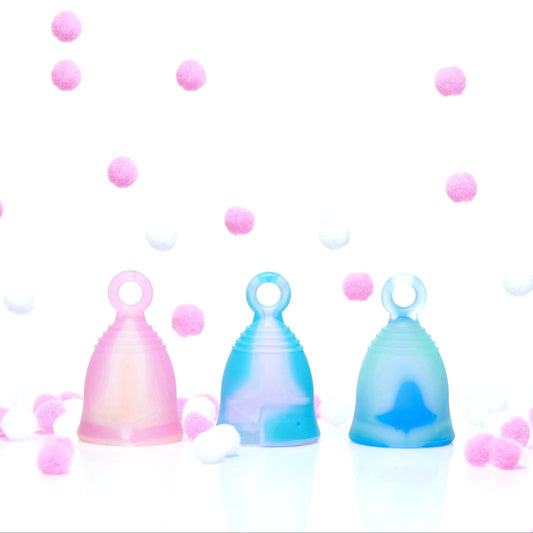
This also means there is usually no environmental reason to replace a perfectly functional cup simply because a newer color or style becomes available. If your current cup still fits well, has no damage or deterioration, and can be cleaned according to its instructions, continuing to use it is generally the lower-consumption choice.
Cleaning matters too
A reusable cup has a use-phase footprint because it requires water and periodic sanitizing. Research comparing menstrual products has noted that the energy and water used for cleaning can make up a meaningful portion of a cup's own lifecycle impact.
You do not need to make cup care complicated. Follow the product's cleaning instructions, use only the water and heating needed for proper care, and avoid unnecessary repeated boiling or harsh cleaning routines that can shorten the life of the silicone.
For practical care guidance, see our menstrual cup cleaning, odor, and stain guide.
Lower-waste period care does not have to be all or nothing
You do not have to use one menstrual product exclusively to make a difference in how much single-use material you consume. Some people use a menstrual cup most days and keep pads or tampons for backup, travel, overnight preferences, postpartum needs, or days when a cup simply does not feel right.
If a cup replaces even part of your usual disposable-product use, it can still reduce the number of single-use products you go through. The exact reduction depends on your own routine.
Choosing the right cup can help prevent unnecessary replacements
Fit matters environmentally as well as practically. Buying several cups that are uncomfortable and immediately abandoning them creates more consumption than finding a size and firmness that works for you and using it for years.
Before choosing, consider:
- Cervix height: a lower cervix often needs a shorter cup, while a higher cervix may be easier to reach with a longer cup.
- Flow: higher capacity can be useful on heavier days, provided the dimensions are comfortable.
- Sensitivity: softer silicone can feel better for some people who are sensitive to internal or bladder pressure.
- Activity and pelvic-floor strength: a firmer cup may resist compression more effectively during running, lifting, dance, or other high-impact activity.
Our menstrual cup size chart and firmness guide explains these fit factors in detail.
What happens when a silicone menstrual cup reaches the end of its life?
Silicone is durable, but it is not accepted by every household recycling program. Do not automatically place an old cup in curbside recycling unless your local program specifically confirms that it accepts that material and item type.
Depending on where you live, options can include a specialist silicone recycling program, a local waste authority that accepts silicone, safe repurposing for a non-body-use purpose, or ordinary disposal when no suitable recovery option exists.
We cover those choices in more detail in how to recycle or repurpose an old menstrual cup.
How Peachcup fits into a lower-waste routine
Peachcup is made from medical-grade silicone and designed for repeated use with proper care. Depending on individual flow and the product instructions, it can provide up to 12 hours of menstrual protection before emptying. Some users will need to empty more frequently, especially on heavier-flow days.
The collection includes Small, Medium, and Large capacities plus different firmness options across the line, so you can choose based on fit rather than buying the largest or firmest cup by default.
If you choose the wrong Peachcup size or firmness initially, Peachlife offers fit support, free returns, replacements, and exchanges under our policy terms so you can work toward a better fit instead of simply discarding the wrong choice.
Small habits can make reusable period care even more practical
- Use the cup you already own for as long as it remains safe, intact, and comfortable.
- Follow the care instructions rather than over-cleaning.
- Choose size and firmness thoughtfully before buying.
- Keep disposables as backup if that makes cup use more realistic for you.
- When a cup truly reaches the end of its useful life, check local or specialist disposal options rather than assuming it belongs in curbside recycling.
The goal does not have to be a perfectly zero-waste period. A realistic routine that you can comfortably maintain is far more useful than an all-or-nothing approach.