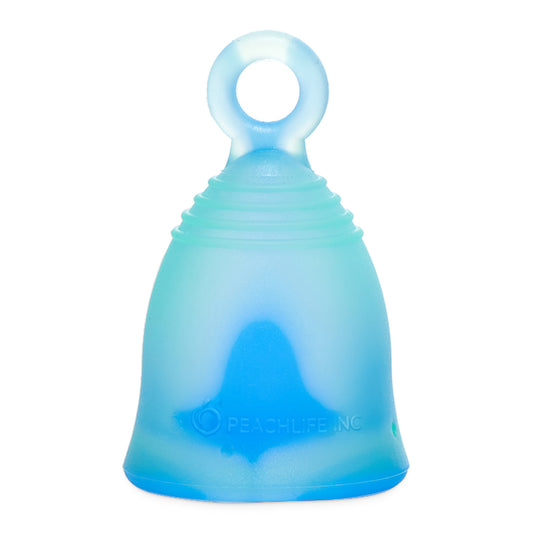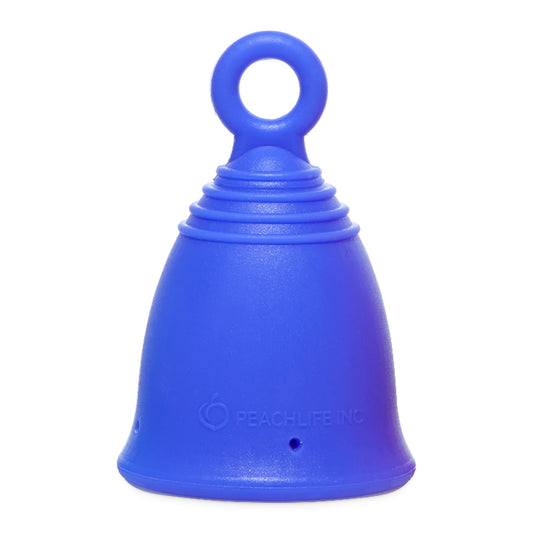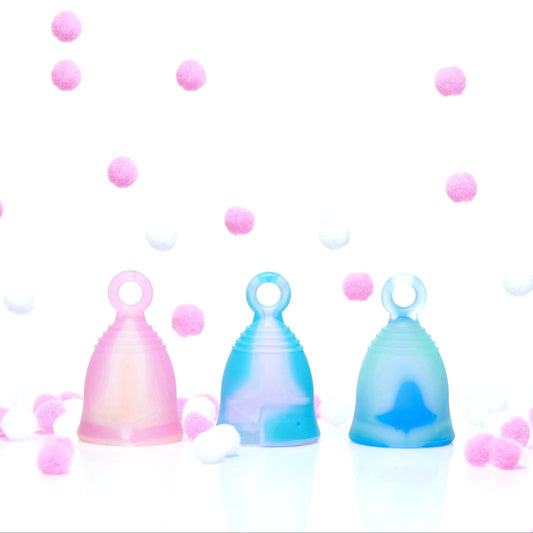

How to Use a Menstrual Cup: A Step-by-Step Guide
Using a menstrual cup has a learning curve, and that is completely normal. The goal is not to master a perfect technique immediately; it is to find a fold, position, size, and firmness that feel comfortable and repeatable for your body.
This guide walks through the entire Peachcup routine from preparation to insertion, wear, removal, cleaning, and common troubleshooting.
Before you begin: make sure the cup fits your needs
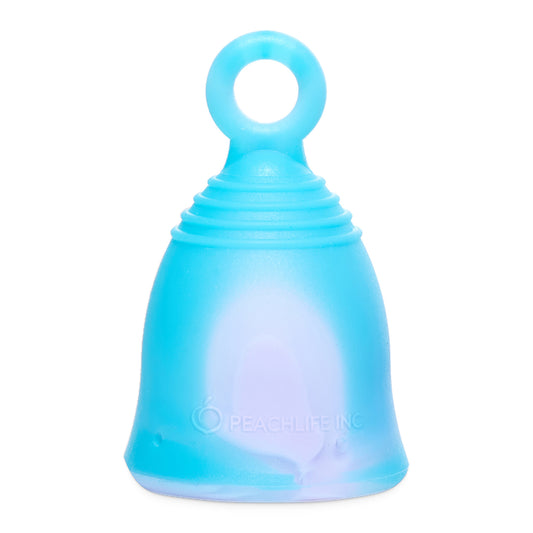
A cup that is too long, too short, too wide, too soft, or too firm can make the learning process harder than it needs to be. Peachcup comes in Small 24 ml, Medium 28 ml, and Large 32 ml sizes, with Soft, Medium Firm, and Extra Firm choices across the collection.
If you are still choosing, compare size and firmness using flow, cervix height, sensitivity, and activity level before focusing on technique.
Step 1: wash your hands and prepare your Peachcup
Wash your hands thoroughly before handling your cup. Before first use and between cycles, clean and prepare Peachcup according to its current product care instructions. Inspect the cup for damage or significant wear before inserting it.
Step 2: find a comfortable position
You can insert a menstrual cup while sitting on the toilet, squatting, or standing with one leg raised. There is no required position. Choose the one that lets you relax your pelvic floor and reach comfortably.
If you are tense, the muscles around the vaginal opening may make insertion feel harder. Give yourself time rather than forcing the cup.
Step 3: fold the cup
Folding makes the rim narrower for insertion. Three useful folds are:
- C-fold: simple and easy to remember;
- Punch-down fold: creates a particularly small insertion point;
- 7-fold: creates a tapered edge and can offer good control.
There is no universally best fold. Softer and firmer cups can behave differently in your hand, so try another fold if the first one does not feel natural.
Step 4: gently insert the folded cup
Hold the fold securely and gently guide the cup into the vaginal canal. Aim in the direction that feels natural for your anatomy rather than forcing the cup straight upward.
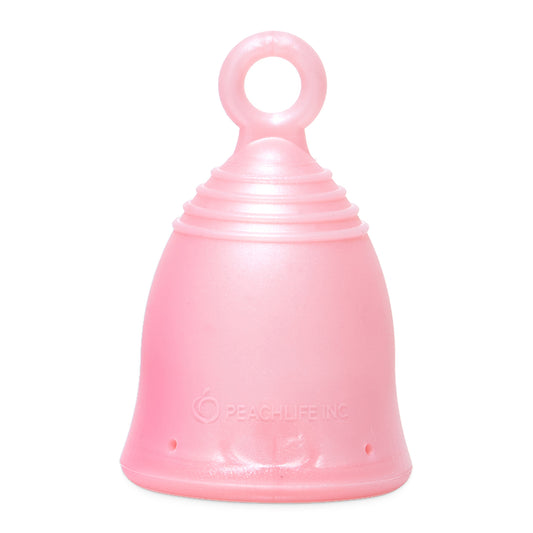
Once the cup is far enough inside to sit comfortably, release the fold and allow the cup to open. The ring stem should remain comfortably inside the vaginal opening rather than hanging outside.
Step 5: check that the cup has opened
You do not need to obsessively check for a perfect circle, but the cup should no longer feel sharply folded inward. You can gently feel around the base, rotate or wiggle the cup slightly, or adjust its position to help the fold release.
A cup that stays partially collapsed may leak even when it is nowhere near full. If opening is a recurring problem, a different fold or firmer cup may be easier for you.
Step 6: make sure your cervix is actually over the cup
A menstrual cup collects flow only when the flow enters the cup. If the cup opens beside the cervix rather than beneath or around the flow path, you can experience immediate leaking even though the cup is open.
If leaks happen soon after insertion, checking position is often more useful than automatically choosing a larger size.
Step 7: wear the cup according to your flow
Peachcup can provide up to 12 hours of menstrual protection before emptying, depending on your individual flow and the product instructions. “Up to” is important: on a heavy day you may need to empty the cup much sooner.
During your first few uses, checking the cup earlier can help you learn how quickly you fill your chosen capacity. Small holds 24 ml, Medium 28 ml, and Large 32 ml.
Step 8: remove the cup by releasing the seal first
Wash your hands. Relax, locate the ring and base, and gently press one side of the cup inward near the base to release the seal. Once the seal is released, the ring can help you locate and gently guide the cup downward until you can securely grasp the base.
Do not pull a sealed cup out by the ring stem alone. The ring is a useful point for finding and guiding the cup, but removal should become a controlled grip on the cup itself after the seal is released.
Step 9: empty, clean, and reinsert
Keep the cup as upright as practical while removing it, empty the contents into the toilet, and clean the cup according to current Peachcup care instructions before reinserting it. Wash your hands before handling it again.
Step 10: clean and store the cup between cycles
At the end of your period, follow the current Peachcup care instructions for cleaning and storage. Allow the cup to dry as directed, store it appropriately, and inspect it before the next cycle.
What a properly fitting cup should feel like
A menstrual cup should not cause persistent pain. Many people become barely aware of a cup once it is positioned comfortably. If you feel ongoing pressure, pinching, bladder discomfort, or pain, remove it and reassess the size, firmness, and placement.
Common menstrual cup problems and what to try
| Problem | What to check |
|---|---|
| Leaks immediately | Is the cup fully open, and is the cervix positioned over the cup rather than beside it? |
| Leaks only after several hours | The cup may simply be full; empty sooner or compare capacity |
| Cup will not open | Try another fold, reposition it, or compare a firmer option if the problem repeats |
| Bladder pressure | Compare placement, diameter, and a softer firmness |
| Ring sits too low | Your cup may be too long for your cervix position |
| Cup is difficult to reach | Relax, bear down gently, change position, and consider whether a longer size would be easier |
| Cup shifts during exercise | If the size fits, a firmer option may resist compression better |
Tips for your first few cycles
- Practice when you are not rushed.
- Try more than one fold before deciding cups “do not work” for you.
- Learn how full your cup gets on light, moderate, and heavy days.
- Remember that your cervix height and flow can change during the same period.
- Use the size or firmness that works for that day rather than feeling obligated to use one cup every day.
- If something hurts, remove the cup rather than pushing through pain.
When to seek medical advice
Remove the cup and seek appropriate medical advice if you experience severe or persistent pain, fever, unusual symptoms, or are unable to remove the cup despite relaxing and trying the usual removal steps.
Want a deeper guide to one step?
See our menstrual cup folding guide or ring stem removal guide for more detail.